
Editor-in-Chief: Song Guo Zheng; Yanling Hu
Acceptance: 10%
Final Decision: 1 week
APC: 0
Archives
-
Volume 3, Issue 1
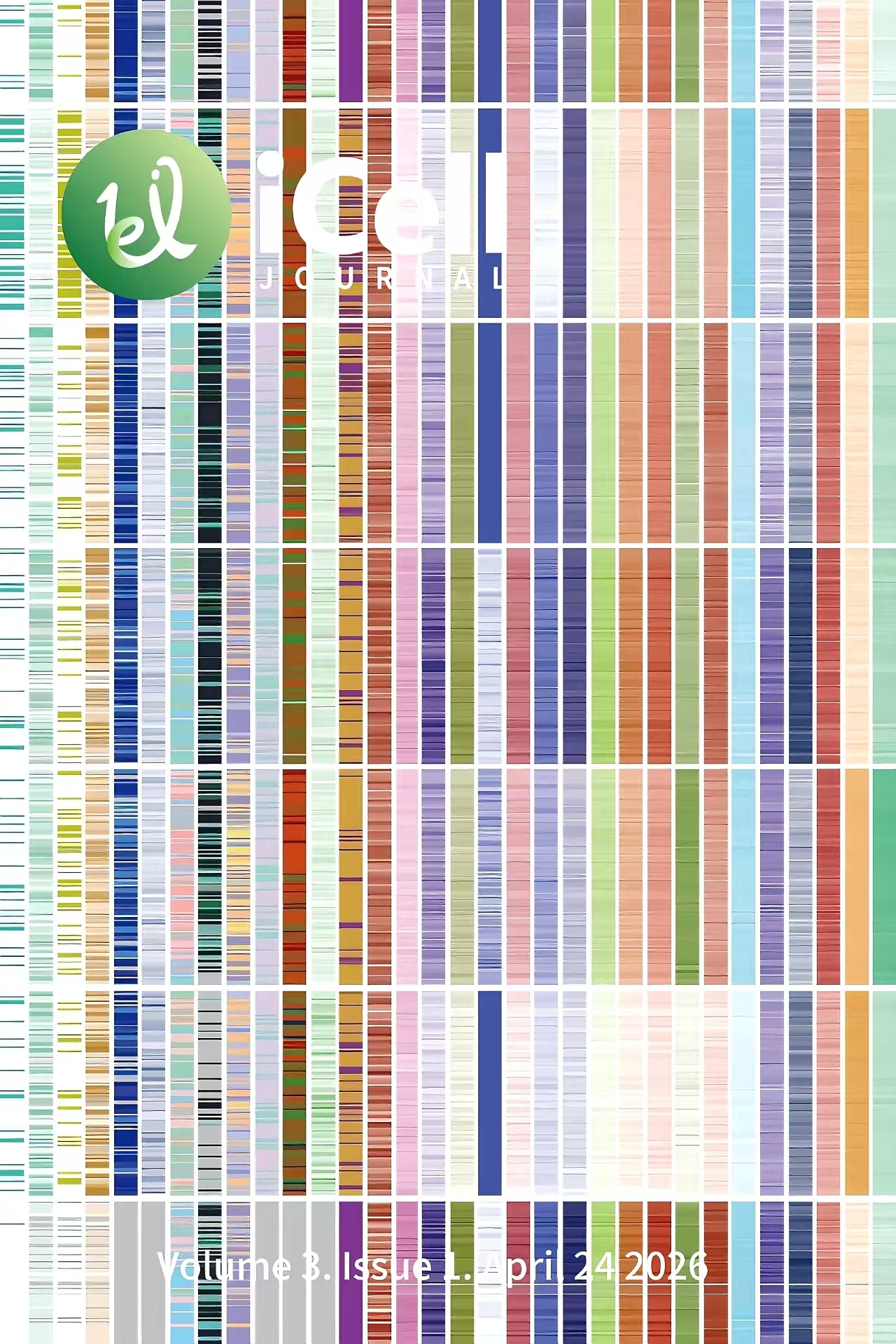
Vol. 3 No. 1 (2026)Pan-cancer phosphoproteomics identifies pervasive hyperphosphorylation of RNA-binding proteins as a core driver of tumor RNA dysfunction. This study pinpoints NCL T76 phosphorylation as a conserved prognostic risk signal across multiple cancers, controlled by CDK2 kinase. The small-molecule inhibitor TG-02 suppresses NCL T76 phosphorylation, revealing the CDK2–NCL T76 axis as a promising therapeutic target for solid tumors. Image credit: Cover article.
-
Volume 2, Issue 4
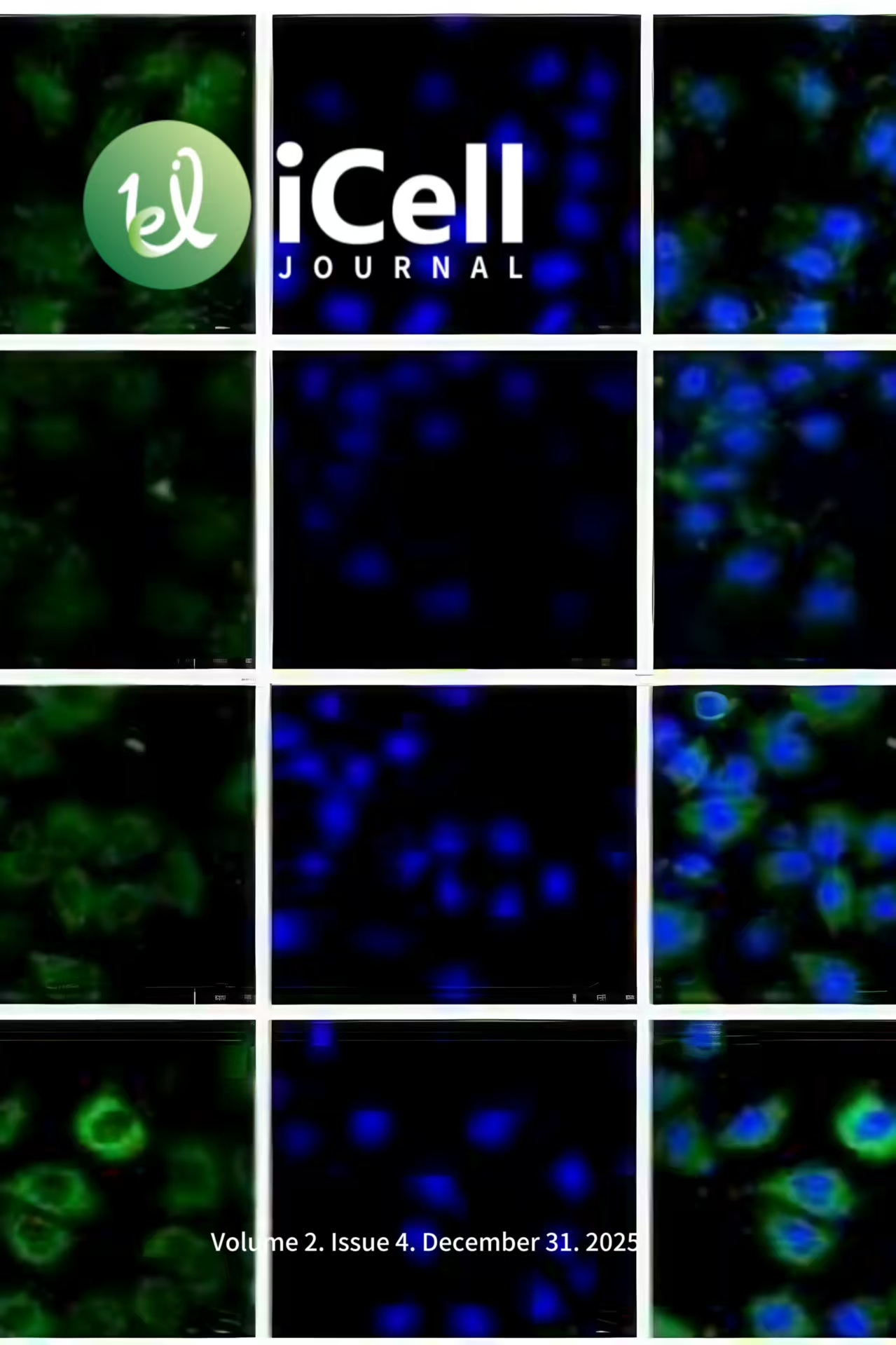
Vol. 2 No. 4 (2025)Circular RNAs play important yet incompletely understood roles in regulating autophagy during hepatocellular carcinoma (HCC) progression. This study identifies circR-4600 (hsa_circ_0005927) as a downregulated circRNA in HCC tissues, where its low expression correlates with poor patient prognosis. Mechanistically, circR-4600 interacts with the RNA-binding protein DVL3, attenuates its inhibition on DAB2, and thereby suppresses ATG5-mediated autophagy, ultimately inhibiting HCC cell proliferation, invasion, and metastasis. These findings reveal a novel circRNA-protein axis regulating autophagy in HCC and highlight circR-4600 as a potential therapeutic target. Image credit: Cover article.
-
Volume 2, Issue 3
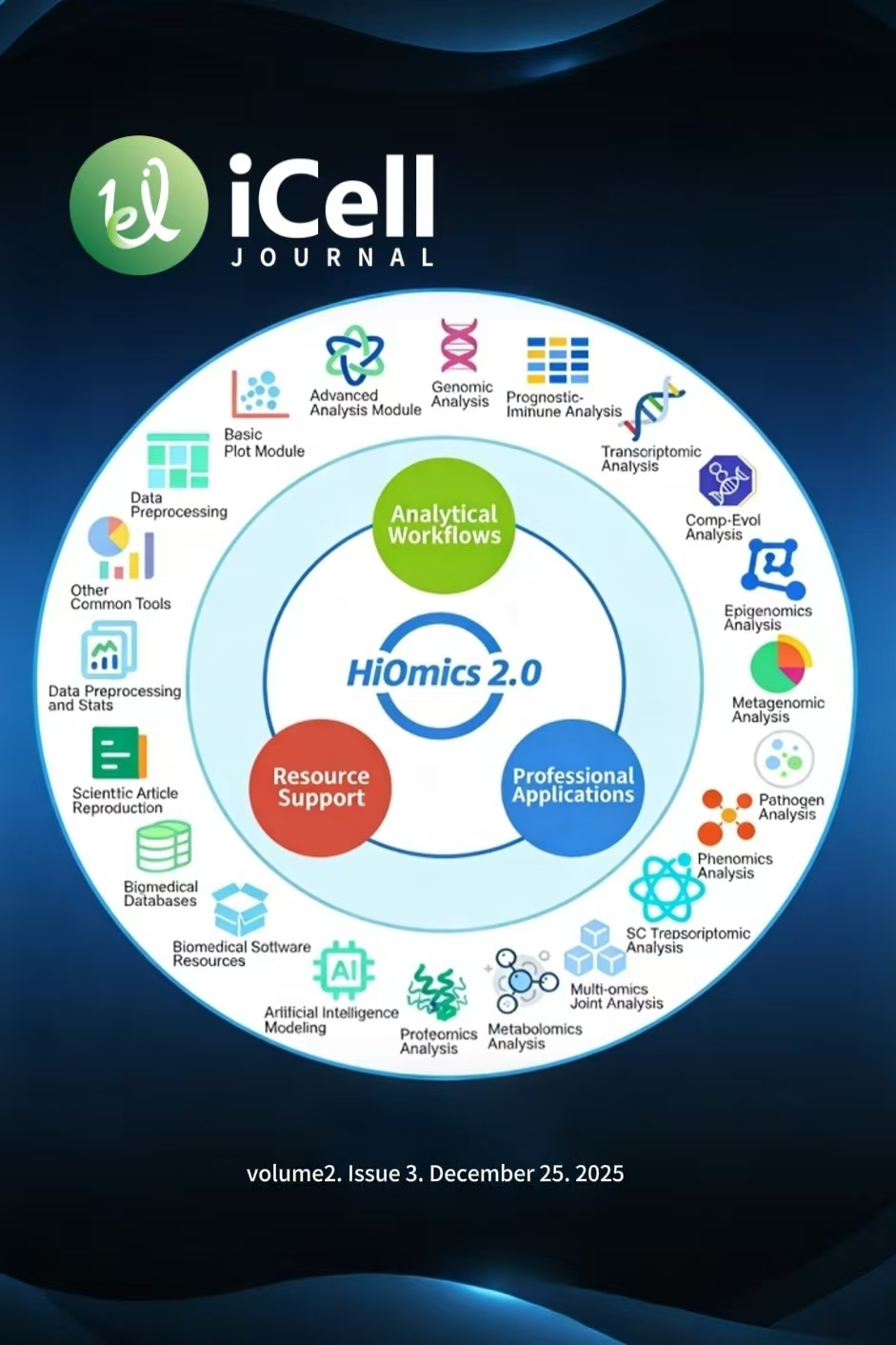
Vol. 2 No. 3 (2025)The rapid growth of multi‑omics data poses challenges in workflow integration, interactive responsiveness, and reproducibility. HiOmics 2.0 introduces a hierarchical task‑scheduling architecture that decouples lightweight interactive operations from intensive computational pipelines, reducing plot‑generation time from >30 s to <5 s —an over 80% improvement. The platform further integrates single‑cell transcriptomics, proteomics, metabolomics, pathogen detection, and Mendelian randomization, enabling end‑to‑end analysis from raw data to biological insight. With 453 integrated tools and serving users worldwide, HiOmics 2.0 provides an efficient, reproducible, all‑in‑one cloud solution for modern life‑science research. Image credit: Cover article.
-
Volume 2, Issue 2
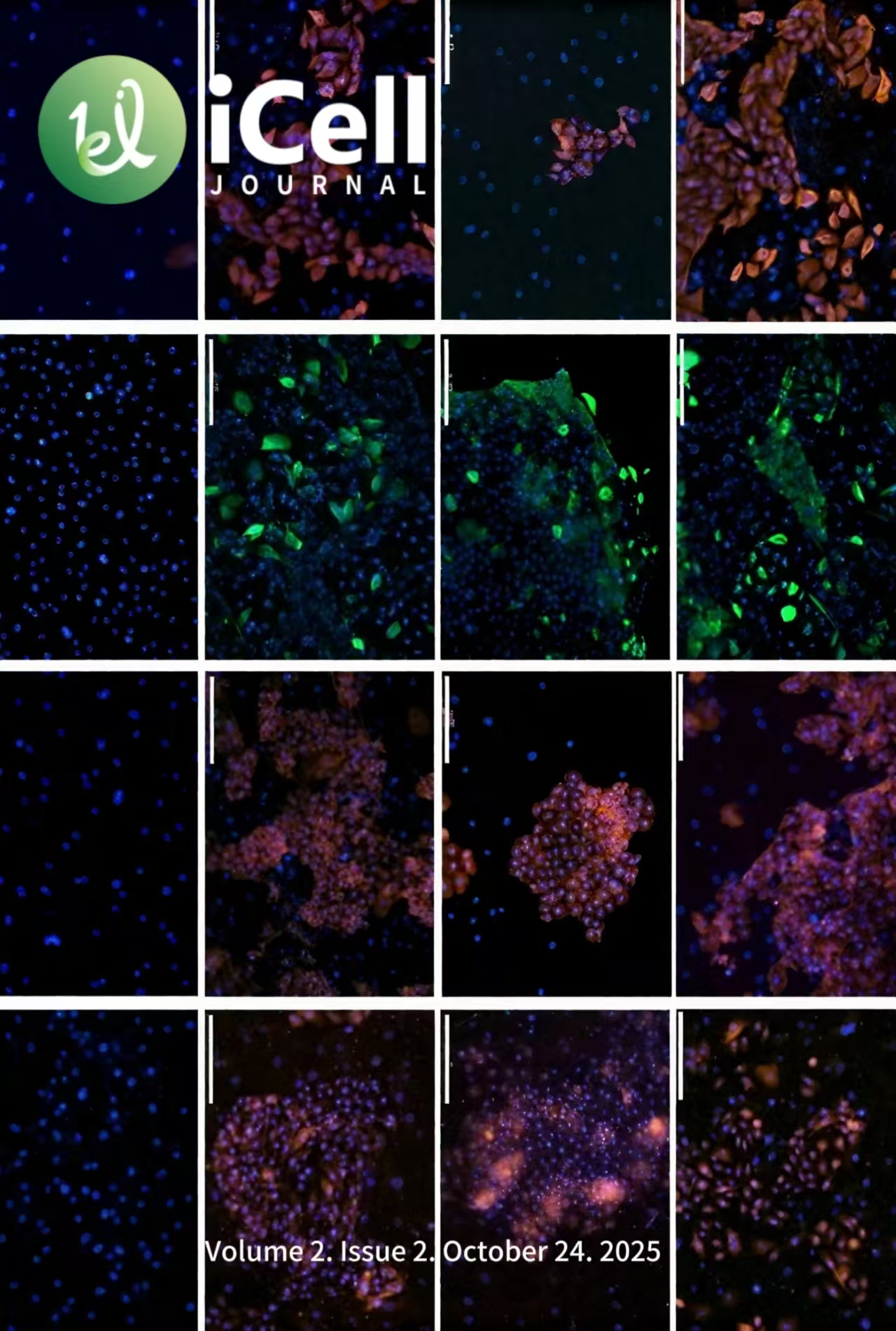
Vol. 2 No. 2 (2025)The direct transdifferentiation of fibroblasts into specific functional cells offers a highly promising new cell source for regenerative medicine. In this issue of iCell, Wang, Huang, and colleagues elucidate the pivotal role of JNK1 downregulation in the transdifferentiation process of fibroblasts into mammary epithelial cells. This study reveals how the TGFβR1-JNK1 signaling axis functions as a molecular switch for cell fate determination, with its regulation contributing to the understanding of cellular plasticity and the development of novel strategies for mammary gland regeneration. Image credit: Cover article.
-
Immunotherapy and Informatics
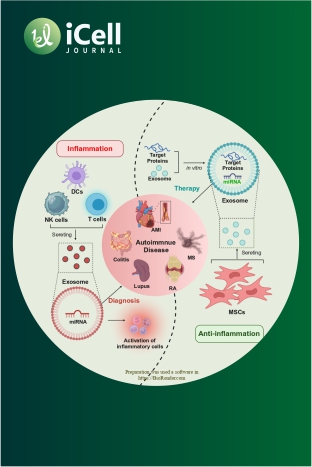
Vol. 2 No. 1 (2025)The convergence of immunotherapy and informatics has revolutionized precision cancer care and immune-related disease management. Informatics tools, including machine learning algorithms, multi-omics data integration platforms, and predictive modeling, enable researchers to decode complex immune system dynamics—such as tumor microenvironment heterogeneity, immune cell trafficking, and patient-specific immune signatures.
-

Pioneering Insights in Cellular Innovation
Vol. 1 No. 1 (2024)Welcome to the inaugural issue of iCell, a cutting-edge journal dedicated to exploring the dynamic world of cellular biology and biomedical advancements. In this issue, we bring together a collection of groundbreaking research that pushes the boundaries of our understanding of cellular mechanisms, artificial intelligence in biology, and therapeutic innovations. From novel insights into gene regulation to transformative technologies in precision medicine, iCell serves as a platform for thought leaders and innovators to share their pioneering discoveries. Join us as we embark on a journey to shape the future of biomedical science.Image credit: The current article.